

Alumina refining is not forgiving. One unstable chemical input can throw off digestion efficiency, increase red mud losses, or raise operating costs across the plant. That’s exactly why sodium hydroxide pearls for alumina processing are treated as a process-critical raw material, not a commodity.
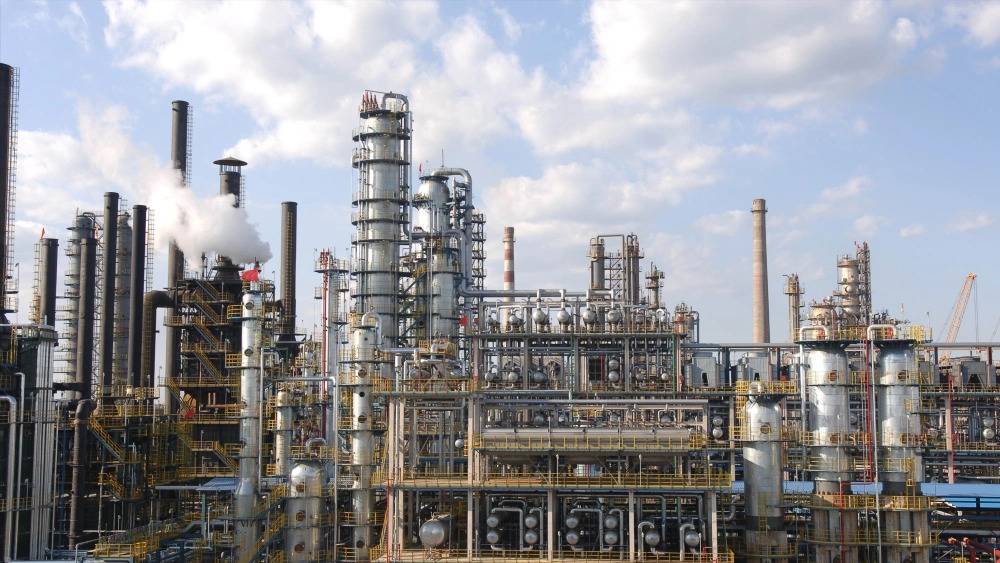
An industrial refinery where sodium hydroxide is crucial in the alumina extraction process.
If you’re running a Bayer process refinery—or sourcing for one—this guide breaks down how sodium hydroxide pearls are used in alumina processing, why purity matters, and what industrial buyers must verify before placing bulk orders.
Why Sodium Hydroxide Pearls Are Essential in Alumina Processing
Alumina production depends heavily on sodium hydroxide. During the Bayer process, NaOH dissolves alumina from bauxite ore under high temperature and pressure. Sounds simple. In reality, it’s a balancing act.
Sodium hydroxide pearls for alumina processing are preferred because they offer:
- Consistent alkalinity
- Predictable dissolution rates
- Lower contamination risk
- Easier handling in controlled dosing systems

Sodium hydroxide pearls play an essential role in stable alumina processing chemistry.
Unlike low-grade alternatives, high-purity pearls keep digestion chemistry stable—batch after batch.
Sodium Hydroxide Pearls for Alumina Processing: How They Work
In alumina refineries, sodium hydroxide pearls are used primarily in the digestion stage.
Key roles in the Bayer process:
- Dissolving alumina from bauxite
- Maintaining optimal pH during digestion
- Supporting precipitation control
- Minimizing alumina losses in red mud
Because this step defines overall yield, buyers cannot afford inconsistent NaOH quality. Reviewing sodium hydroxide specifications before procurement is not optional—it’s essential.
Why 99% Purity Matters in Alumina Refineries
Not all NaOH is created equal. Even small impurity variations can create long-term operational issues.
High-purity sodium hydroxide pearls (99%) help:
- Improve alumina extraction efficiency
- Reduce scale formation in digesters
- Lower soda loss to red mud
- Maintain predictable liquor chemistry

High-purity sodium hydroxide (99%) is essential for optimal alumina extraction in refineries.
Lower-grade material may look cheaper upfront—but in alumina processing, cheap chemicals become expensive fast.
Pearls vs Other NaOH Forms in Alumina Processing
| Form | Performance in Alumina Plants | Buyer Risk |
| Pearls | Uniform dissolution, stable chemistry | Low |
| Flakes | Uneven dissolution | Medium |
| Liquid NaOH | Handling & transport complexity | High |
This is why many refineries prefer pearls, especially when compared in detail under caustic soda pearls vs flakes evaluations.
Operational Benefits for Alumina Processing Plants
Let’s talk plant-level impact—not theory.
1. Better Digestion Control
Pearls dissolve evenly, keeping liquor concentration stable throughout digestion cycles.
2. Reduced Maintenance Issues
Lower impurity content means less scaling and corrosion in pipelines and vessels.
3. Improved Yield Consistency
Stable NaOH chemistry reduces alumina losses and improves precipitation control.
4. Easier Bulk Handling
Pearls integrate smoothly into automated or semi-automated dosing systems.

Efficient alumina processing, aided by high-purity sodium hydroxide, leads to improved aluminum production.
For buyers managing long-term supply contracts, these benefits directly impact OPEX and downtime reduction.
Safety, Storage & Handling in Alumina Refineries
Sodium hydroxide is powerful—but manageable with the right systems.
Best practices for refineries:
- Store pearls in dry, sealed environments
- Prevent moisture exposure to avoid caking
- Use PPE during manual handling
- Employ closed feeding systems where possible

Proper safety protocols are crucial in handling sodium hydroxide in alumina refineries.
These practices align with standard industrial chemical safety requirements and protect both personnel and product integrity.
Packaging Standards for Bulk Alumina Buyers
Packaging isn’t just about transport—it protects chemical performance.
Common industrial packaging includes:
- 25 kg moisture-resistant bags
- Inner liners to prevent humidity absorption
- Palletized export packaging
- Clear batch and lot labeling

UN-approved packaging ensures safe handling and storage of sodium hydroxide pearls for alumina refineries.
Buyers importing bulk quantities should follow structured procurement approaches similar to those outlined in bulk sodium hydroxide buying guides.
Quality Verification Before You Buy
Smart alumina buyers never rely on price alone.
Always request:
- Certificate of Analysis (COA)
- MSDS documentation
- Batch-specific purity reports
- Packaging photos before shipment
- Third-party inspection (SGS/BV) for large orders

Quality verification ensures that sodium hydroxide pearls meet the necessary standards for alumina processing.
Suppliers with proven industrial success stories are more likely to deliver consistent quality over time.
Typical Technical Requirements for Alumina Processing
| Parameter | Recommended Level |
| NaOH Purity | ≥ 99% |
| Sodium Carbonate | Typically ≤ 0.5% |
| Iron Content | ≤ 20–50 ppm |
| Insolubles | Minimal |
| Physical Form | Uniform Pearls |
These parameters help maintain stable digestion chemistry and predictable alumina yields.
Learn how to select the right supplier here or contact us on WhatsApp
WhatsApp Us for Free a Consultation
Frequently Asked Buyer Questions
Can lower-grade NaOH be used for alumina processing?
Technically yes—but it increases soda loss, scaling, and process instability. Most refineries avoid it.
Are sodium hydroxide pearls better than liquid NaOH?
For many plants, yes. Pearls offer easier storage, lower transport risk, and better dosing control.
How do I verify supplier reliability?
Check export history, documentation transparency, and real industrial case studies.
What’s the biggest sourcing mistake buyers make?
Choosing price over consistency. In alumina refining, that decision always shows up in operating costs.
Caustic Soda Pearls: Overview and How to Buy Caustic Soda Pearls
Why Process-Focused Suppliers Matter
Suppliers who understand alumina processing don’t just ship chemicals. They:
- Align purity with digestion requirements
- Offer consistent batch quality
- Support documentation compliance
- Reduce supply chain risk
This matters when you’re running continuous operations where downtime is not an option.
Conclusion: So What Does This Mean for Alumina Buyers?
Sodium hydroxide pearls for alumina processing are not interchangeable materials. Purity, form, and consistency directly impact digestion efficiency, soda loss, and overall refinery performance.
Choosing high-purity sodium hydroxide pearls (99%) helps alumina plants:
- Improve extraction efficiency
- Reduce maintenance issues
- Maintain predictable process chemistry
- Control long-term operating costs
In alumina refining, stability beats savings—every time.
Manufacturers: Ready to Source Bulk Caustic Soda Pearls?
What makes our Caustic Soda Pearls Better:
✅ Compliant with EU, UN, ISO Standards – No Legal Headaches
✅ Guaranteed ≥99% Purity – Stability for your Processing Plant
✅ Extremely Low Impurities – Low Heavy Metals & Chloride
✅ Batch-Specific COA Provided – Full Transparency per Shipment.
Download Our EU-approved FREE COA & Specifications.[ Specifications Page]