

Navigating the world of industrial chemical imports can feel like a complex puzzle, especially when it comes to a critical compound like sodium hydroxide. For Australian businesses, the choice between sodium hydroxide pearls vs liquid sodium hydroxide isn’t just about price; it’s about logistics, safety, storage, and ultimately, the efficiency of your operations.
This guide is designed to help you, the Australian importer, make an informed decision that suits your specific needs.

Experienced chemical exporters understand the logistical challenges of shipping sodium hydroxide to Australia.
We understand that procurement decisions directly impact supply chain cost and process stability. Let’s dive into the practicalities of both forms of sodium hydroxide, focusing on what truly matters for your business in Australia.
Understanding Sodium Hydroxide: Pearls vs. Liquid
Sodium hydroxide (NaOH), also known as caustic soda, is a cornerstone chemical in countless Australian industries, from mining and alumina refining to water treatment and food processing. But it comes in different forms, each with its own set of advantages and considerations.
What are Sodium Hydroxide Pearls?
Sodium hydroxide pearls are small, spherical beads of solid NaOH, typically with a purity of 99% or higher. They are manufactured through a prilling process, which gives them their uniform shape and density. This form is often preferred for its ease of handling and consistent quality.
- High Purity: Generally 99% pure, reducing impurities in your process.
- Low Dust: Minimal dust generation compared to flakes, enhancing workplace safety.
- Uniform Dissolution: Dissolves predictably, allowing for precise dosing.
- Compact Storage: Because pearls contain about 99% active sodium hydroxide, they require less storage volume for the same amount of usable NaOH compared with dilute liquid solutions.
What is Liquid Sodium Hydroxide?
Liquid sodium hydroxide is an aqueous solution of NaOH, commonly available in concentrations like 32% or 50%. While it offers immediate usability, its characteristics present different logistical and storage challenges, especially for importers.
- Ready-to-Use: No dissolution required, can be pumped directly into processes.
- Lower Concentration: Contains a significant amount of water, meaning you’re shipping water.
- Temperature Sensitive: Can crystallize at lower temperatures, often requiring heated storage tanks in cooler environments.
- Corrosive: Highly corrosive, demanding specialized storage tanks and handling equipment.
Let’s take a quick look at how these two forms stack up against each other:
| Feature | Sodium Hydroxide Pearls | Liquid Sodium Hydroxide |
| Form | Solid (small beads) | Aqueous Solution |
| Purity (Typical) | ≥ 99% | 32% or 50% |
| Handling | Easy, low dust | Requires pumps, specialized PPE |
| Storage | Dry, ventilated warehouse | Specialized tanks (often heated) |
| Freight Cost | Higher active ingredient per volume | Shipping water, higher volume |
| Dosing Accuracy | High | High (with proper equipment) |
The Australian Context: Why Your Choice Matters Down Under
Australia’s vast distances, climate variations, and stringent import regulations mean that your choice of sodium hydroxide form can significantly impact your operational costs and compliance.
Logistics and Freight Costs for Australia
When importing into Australia, freight costs are a major consideration. While pearls are denser and contain more active NaOH per kilogram, liquid NaOH takes up more volume due to its water content. This can lead to higher shipping costs per unit of active ingredient for liquid forms.
| Form | UN Number |
| Solid NaOH | UN 1823 |
| Liquid NaOH | UN 1824 |
Solid sodium hydroxide is classified as UN 1823, while liquid sodium hydroxide solution is classified as UN 1824 under international dangerous goods regulations. For more insights into bulk purchasing, check out our caustic soda buying guide.
Storage and Handling in Australian Facilities
Australia’s diverse climate, from scorching deserts to temperate zones, affects storage requirements. Pearls need dry, well-ventilated warehouses to prevent caking from moisture absorption. Liquid NaOH, on the other hand, might require heated tanks in cooler regions to prevent crystallization, adding to infrastructure and energy costs.
Safety protocols are paramount for both. However, liquid NaOH presents a higher splash risk during transfer, necessitating robust engineering controls and personal protective equipment (PPE).
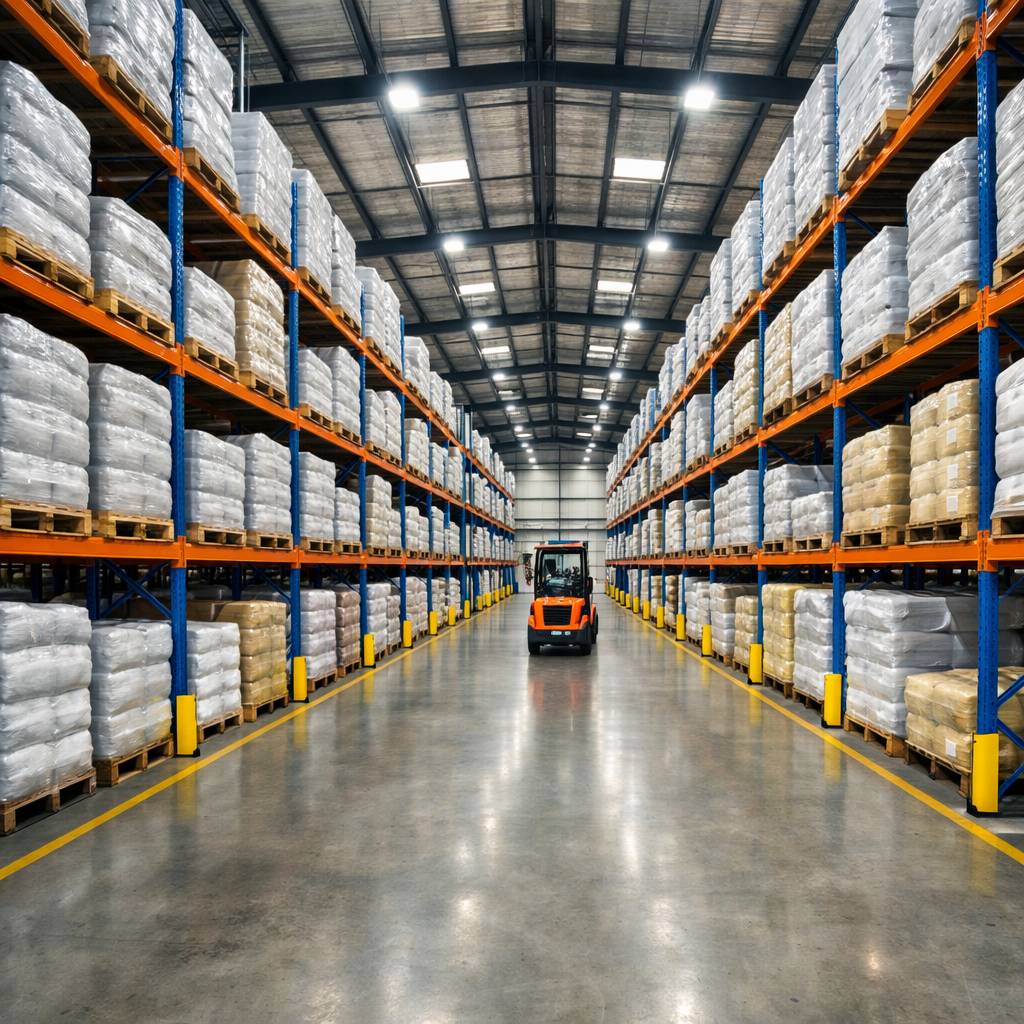
Efficient warehouse management is key to safe and cost-effective chemical storage in Australia.
Australia has a robust regulatory framework for industrial chemicals, primarily managed by the Australian Industrial Chemicals Introduction Scheme (AICIS). Compliance is not optional; it’s a legal requirement that protects human health and the environment.
AICIS Registration and Compliance
If you’re introducing industrial chemicals into Australia, you must register with AICIS and categorize your chemical introductions. This applies to both pearls and liquid forms of sodium hydroxide. Failing to comply can result in significant penalties. It’s crucial to understand your obligations from the outset. You can find detailed information on the official AICIS website.
Documentation You Need
Regardless of the form, importing sodium hydroxide requires comprehensive documentation to ensure compliance and smooth customs clearance. Make sure your supplier can provide:
- Certificate of Analysis (COA): Verifies the chemical composition and purity of the batch.
- Safety Data Sheet (SDS): Provides critical information on hazards, safe handling, and emergency procedures.
- Certificate of Origin: Confirms the country where the chemical was produced.
- Dangerous Goods Declaration: Essential for shipping and transport.
Cost Considerations: Beyond the Purchase Price
The sticker price of sodium hydroxide is just one piece of the puzzle. For Australian importers, the total cost of ownership includes a range of factors that can swing the balance between pearls and liquid.
Hidden Costs of Liquid NaOH
While liquid NaOH might sometimes appear cheaper per ton at the point of origin, the hidden costs can quickly add up. These include:
- Higher Freight: As mentioned, shipping water means more volume and potentially higher costs.
- Specialized Infrastructure: The need for corrosion-resistant tanks, pumps, and heating systems.
- Dilution Costs: Additional dissolution equipment and mixing systems may be required when using solid pearls to prepare process solutions.
- Disposal of Residue: Cleaning tanks and managing any spills can be costly.
Value Proposition of Pearls
Sodium hydroxide pearls, with their high concentration and stability, often offer a better long-term value. Their compact nature reduces shipping volume, and their solid form simplifies storage. The consistent purity of pearls also minimizes the risk of process disruptions, saving you money on rework and downtime.
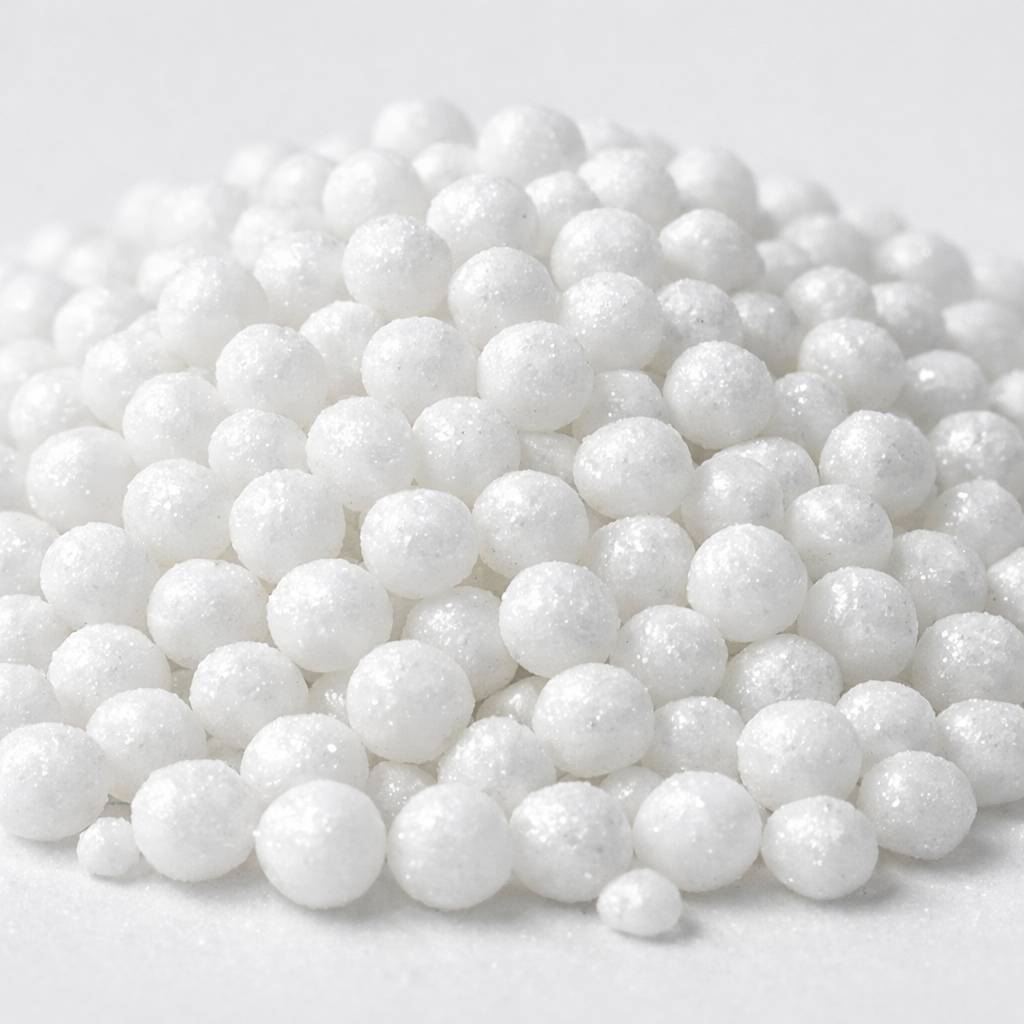
Our 99% pure sodium hydroxide pearls ensure consistent quality for your Australian operations.
Making the Right Choice for Your Australian Business
So, how do you decide which form is best for your Australian operations? It boils down to your specific application, existing infrastructure, and logistical capabilities.
Caustic Soda Pearls: Overview and How to Buy Caustic Soda Pearls
When to Choose Pearls
Consider sodium hydroxide pearls if your business:
- Requires High Purity: For sensitive applications where impurities can cause significant issues.
- Has Limited Storage Space: Pearls offer a higher concentration of active ingredient per volume.
- Is in a Remote Location: Reduced shipping weight and volume can be a major advantage.
- Prioritizes Safety and Ease of Handling: Lower dust and easier manual handling compared to flakes or liquid.
When Liquid Might Be Considered
Liquid sodium hydroxide could be a viable option if your business:
- Has Existing Liquid Infrastructure: If you already have the specialized tanks and pumping systems.
- Requires High Volume and Continuous Supply: For very large-scale operations with integrated liquid systems.
- Is Located Near a Local Supplier: Reducing long-distance freight costs.
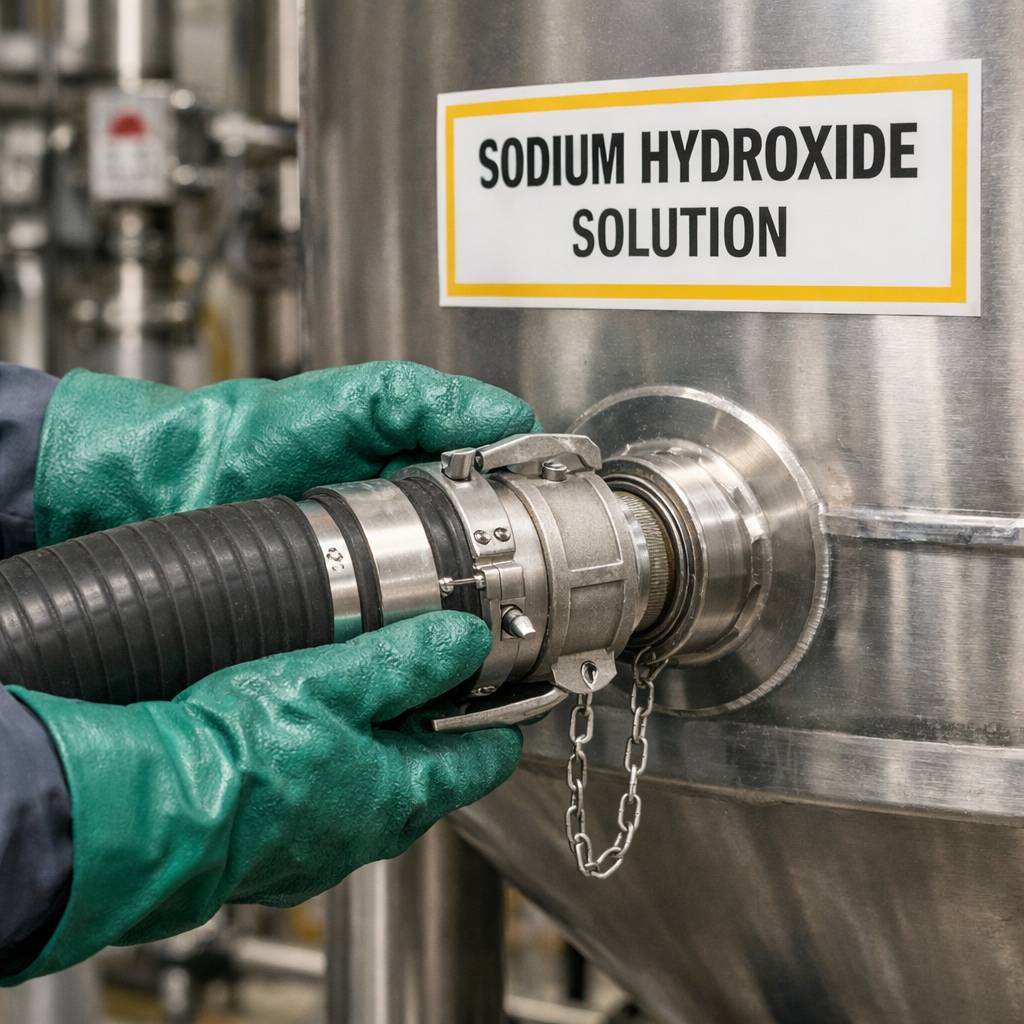
Handling liquid sodium hydroxide requires specialized equipment and strict safety protocols.
Sourcing Smart: Finding a Reliable Supplier for Australia
Your supplier is more than just a vendor; they are a partner in your supply chain. For Australian importers, choosing a supplier with a proven track record in international trade and a deep understanding of your needs is crucial.
Contact our technical sales team to discuss supply options for Australian importers.
WhatsApp Us for Free a Consultation
What to Look for in a Supplier
When evaluating potential suppliers, especially for imports from regions like China, consider these factors:
- Certifications and Standards: Ensure they comply with international standards (ISO, REACH, UN) and can provide all necessary documentation.
- Experience with Australian Imports: A supplier familiar with Australian customs and AICIS requirements can save you headaches.
- Quality Control: Look for suppliers who offer batch-specific COAs and rigorous quality checks.
- Logistical Support: Can they assist with freight forwarding, customs clearance, and delivery to your Australian facility?
Many Australian industries rely on high-quality caustic soda. You can explore various applications on our industries page.

We ensure seamless export of our sodium hydroxide pearls from China to Australia.
Conclusion: Making Your Import Decision with Confidence
The choice between sodium hydroxide pearls and liquid sodium hydroxide for your Australian operations is a strategic one. It impacts not only your budget but also your operational efficiency, safety, and regulatory compliance. By carefully weighing the advantages of high-purity pearls against the logistical demands of liquid forms, you can make a decision that strengthens your supply chain.
Remember, consistency in your chemical supply is not just a preference; it’s a necessity for maintaining product quality and operational stability. For a real-world example of successful Australian imports, read our case study on exporting caustic soda pearls to Australia.
Common Buyer Questions (Answered Simply)
1. Is it cheaper to import liquid or pearls to Australia?
It depends on your specific needs. While liquid might have a lower per-ton price, the higher freight costs for shipping water and specialized storage requirements often make pearls more cost-effective for Australian importers in the long run.
2. What is AICIS and why is it important for sodium hydroxide imports?
AICIS (Australian Industrial Chemicals Introduction Scheme) is Australia’s national regulator for industrial chemicals. It’s crucial because all industrial chemicals, including sodium hydroxide, must be registered and categorized under AICIS before they can be imported or manufactured in Australia.
3. Can I get a sample of sodium hydroxide pearls before placing a bulk order?
Yes, reputable suppliers should be able to provide samples and a Certificate of Analysis (COA) for you to verify quality before committing to a bulk purchase. This is a standard practice for industrial chemical procurement.
4. What are the main safety concerns when handling sodium hydroxide in Australia?
Sodium hydroxide is highly corrosive. Key safety concerns include skin and eye burns, inhalation of dust (for pearls) or mists (for liquid), and exothermic reactions when mixed with water. Always use appropriate PPE and follow strict handling protocols.
Manufacturers: Ready to Source Bulk Caustic Soda Pearls?
What makes our Caustic Soda Pearls Better:
✅ Compliant with EU, UN, ISO Standards – No Legal Headaches
✅ Guaranteed ≥99% Purity – Stability for your Processing Plant
✅ Extremely Low Impurities – Such as iron, sodium carbonate, and chlorides
✅ Batch-Specific COA Provided – Full Transparency per Shipment.
Download Our EU-approved FREE COA & Specifications.[ Specifications Page]