

Choosing between sodium hydroxide solution and caustic soda pearls is not just a small detail. It can affect your cost, safety, and daily operations.
Before you buy, you need to understand the key differences.

Here is what really matters when considering sodium hydroxide solution vs solid:
- Cost – Are you paying for pure chemical or mostly water?
- Handling – Do you want solid form or ready-to-use liquid?
- Storage – Do you have tanks or just warehouse space?
- Safety – Dust vs splash risk
- Process fit – Batch production or continuous dosing
Making the wrong choice can increase costs and create problems in your plant.
This guide will help you clearly understand the difference between caustic soda pearls and liquid sodium hydroxide, so you can choose the right option for your operation.
This guide will cut through the complexities, offering a clear, human-written comparison to help you understand the nuances between these two forms. We’ll delve into their characteristics, advantages, limitations, and what you, as an end-user, truly need to consider before making a purchasing decision. Let’s get started and demystify the world of industrial sodium hydroxide.
Understanding Caustic Soda: Pearls vs. Liquid
Caustic soda, or sodium hydroxide, is a highly alkaline compound crucial for many industrial applications. Its corrosive nature makes it incredibly effective in processes requiring pH adjustment, chemical reactions, or cleaning.
The primary difference between caustic soda pearls and liquid sodium hydroxide lies in their physical state and concentration. This distinction, in turn, affects everything from transportation to application in your facility.

Different forms of caustic soda, including flakes, pearls, and liquid, are used across various industries.
Caustic Soda Pearls: The Solid Advantage
Caustic soda pearls are small, spherical, solid beads of sodium hydroxide. They typically boast a high purity level of 99%. This solid form is created through a prilling process.
This process ensures uniform size and minimal dust generation. For many industrial applications, the consistent quality and ease of handling make pearls a preferred choice.
Consider these key benefits:
- High Purity (99% NaOH):
You get more active ingredient per shipment, reducing volume and leading to predictable reaction kinetics.
- Controlled Dissolution:
The pearls dissolve uniformly and predictably when mixed with water, making them suitable for controlled solution preparation.
- Minimal Dust Generation:
Compared to flakes, pearls produce significantly less dust, enhancing workplace safety and reducing inhalation risks.
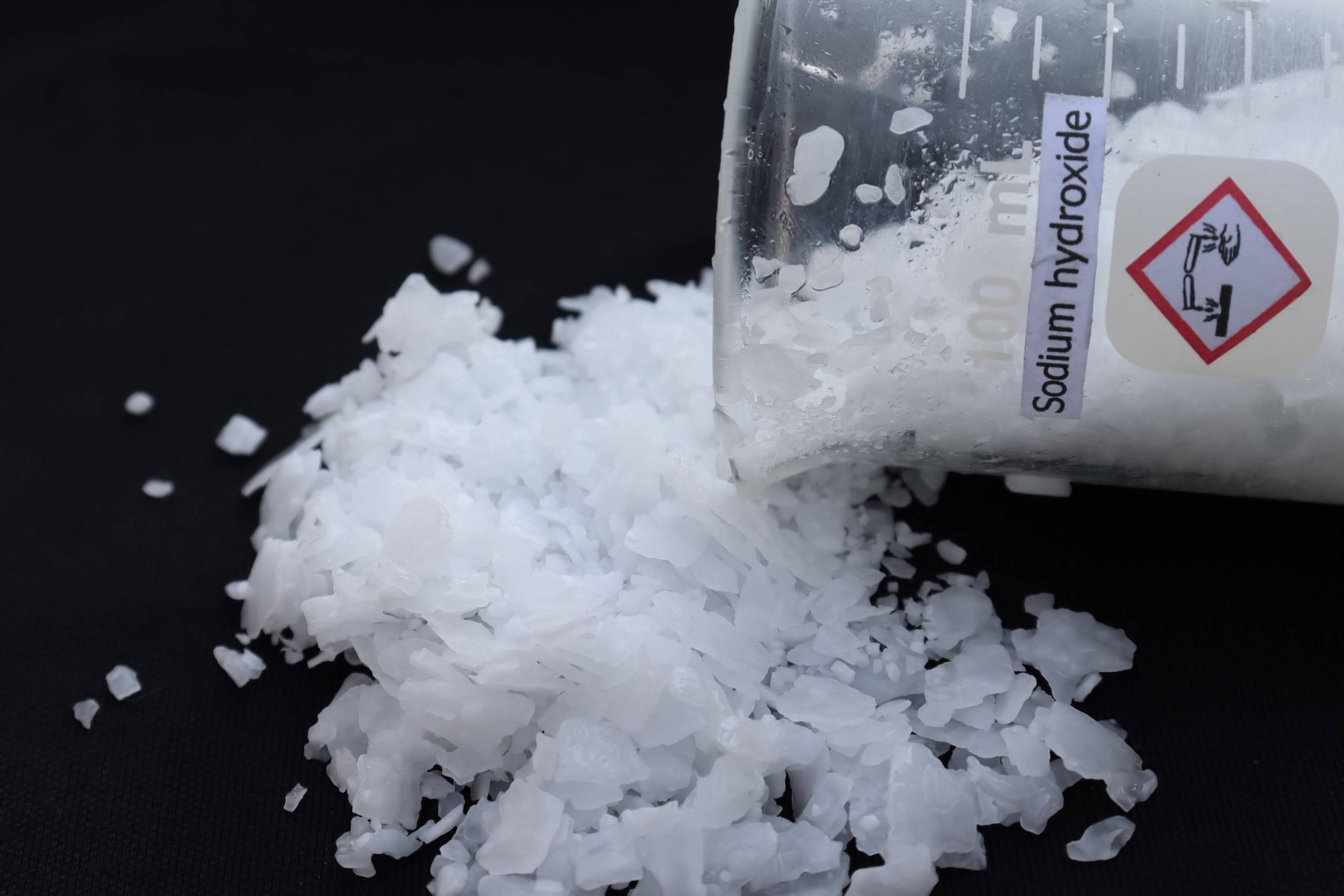
High-purity caustic soda pearls, essential for precise industrial chemical processes.
Liquid Sodium Hydroxide: The Aqueous Solution
Liquid sodium hydroxide, often referred to as liquid caustic, is an aqueous solution of NaOH. It’s commonly available in concentrations of 32% or 50%. Liquid sodium hydroxide is produced in the chlor-alkali process, typically supplied as 32% solution and sometimes concentrated to about 50% NaOH.
Its liquid state offers distinct advantages, particularly for large-scale operations. Here’s why many industrial buyers opt for liquid caustic:
- Ready-to-Use:
No dissolution step is required, making it convenient for direct injection into processes.
- Automated Dosing:
Liquid caustic is ideal for automated dosing systems, ensuring continuous and precise chemical addition without manual handling.
- Reduced Dust Exposure:
Since it’s a liquid, there’s no dust generation, eliminating a common safety concern associated with solid forms.
Key Differences: A Side-by-Side Comparison
Choosing between caustic soda pearls and liquid sodium hydroxide boils down to understanding their fundamental differences. These distinctions directly impact your specific operational needs. Let’s break down the critical factors.

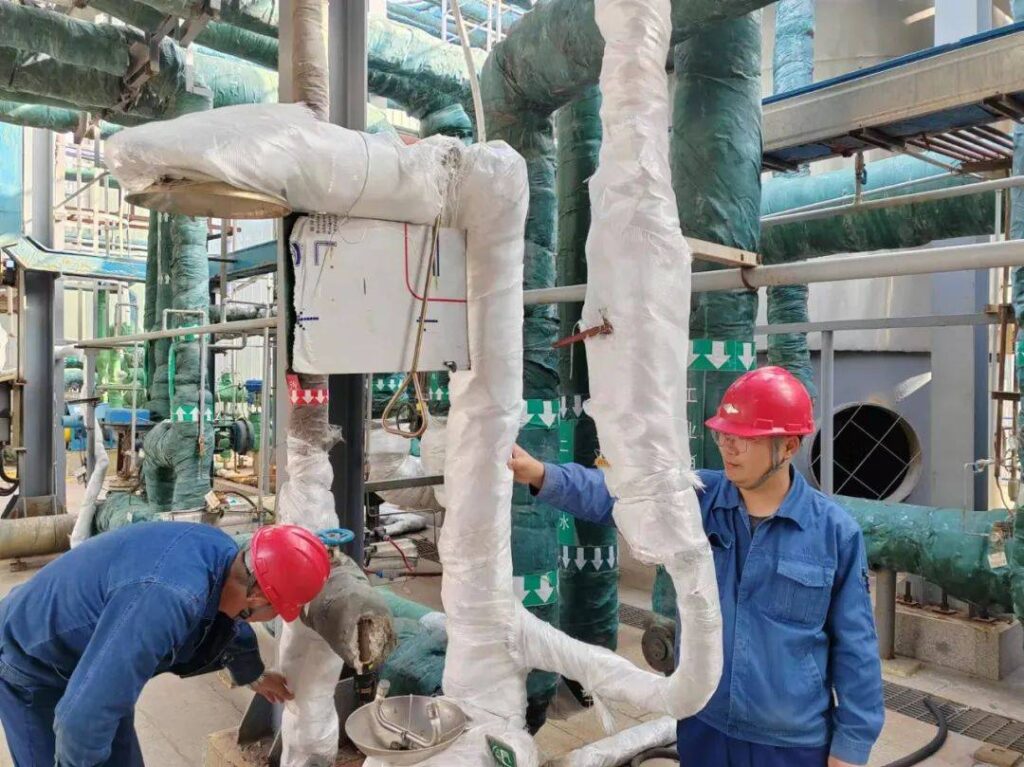
Dedicated industrial workers ensure safety and efficiency in a chemical manufacturing plant.
| Parameter | Caustic Soda Pearls (Solid) | Liquid Sodium Hydroxide (Aqueous) |
| Purity/Concentration | Typically 99% NaOH | Commonly 32% or 50% NaOH |
| Physical State | Small, spherical solid beads | Clear, colorless liquid |
| Storage | Requires dry, ventilated warehouses; moisture-resistant bags | Requires specialized storage tanks; heating in cold climates |
| Handling | Low dust, easier for small batch dosing, less splash risk | No dust, ideal for automated dosing, higher splash risk |
| Transportation | Lower shipping weight (no water), easier for long distances | Higher shipping weight (due to water content), often regional |
| Cost | Higher upfront cost per ton of product | Lower upfront cost per ton of solution, but higher transport cost |
| Dissolution | Requires dissolution in water | Ready for direct use |
Purity and Concentration: What You’re Really Buying
One of the most significant distinctions is concentration. Caustic soda pearls offer a highly concentrated form, typically 99% NaOH. This means you’re paying for almost pure active ingredient, which can be a huge advantage.
In contrast, liquid sodium hydroxide is an aqueous solution. A substantial portion of its weight is water. While this makes it ready for immediate use, it also means you’re transporting and storing water, which can affect overall efficiency and cost.
For processes demanding high purity and minimal impurities, pearls often have an edge. The absence of water in pearls also means a lower risk of introducing unwanted contaminants. Always review the specifications page to ensure the purity meets your process requirements.
Storage and Handling: Safety and Logistics
Storage requirements differ considerably between the two forms. Caustic soda pearls need to be stored in dry, well-ventilated areas, protected from moisture to prevent caking and degradation.
They are typically packaged in durable, moisture-resistant bags, often 25kg or jumbo bags. These are then palletized for easy transport and storage. Key considerations for pearls include:
- Dry Environment:
Essential to prevent moisture absorption and caking.
- Protective Packaging:
Bags designed to resist moisture and maintain product integrity.
- Palletization:
Facilitates safe and efficient handling and warehousing.
Liquid sodium hydroxide, on the other hand, requires specialized storage tanks. In colder climates, these tanks often need heating to prevent the solution from freezing or crystallizing. While automated systems can handle liquid caustic with ease, manual handling carries a higher splash risk, necessitating stringent safety protocols.
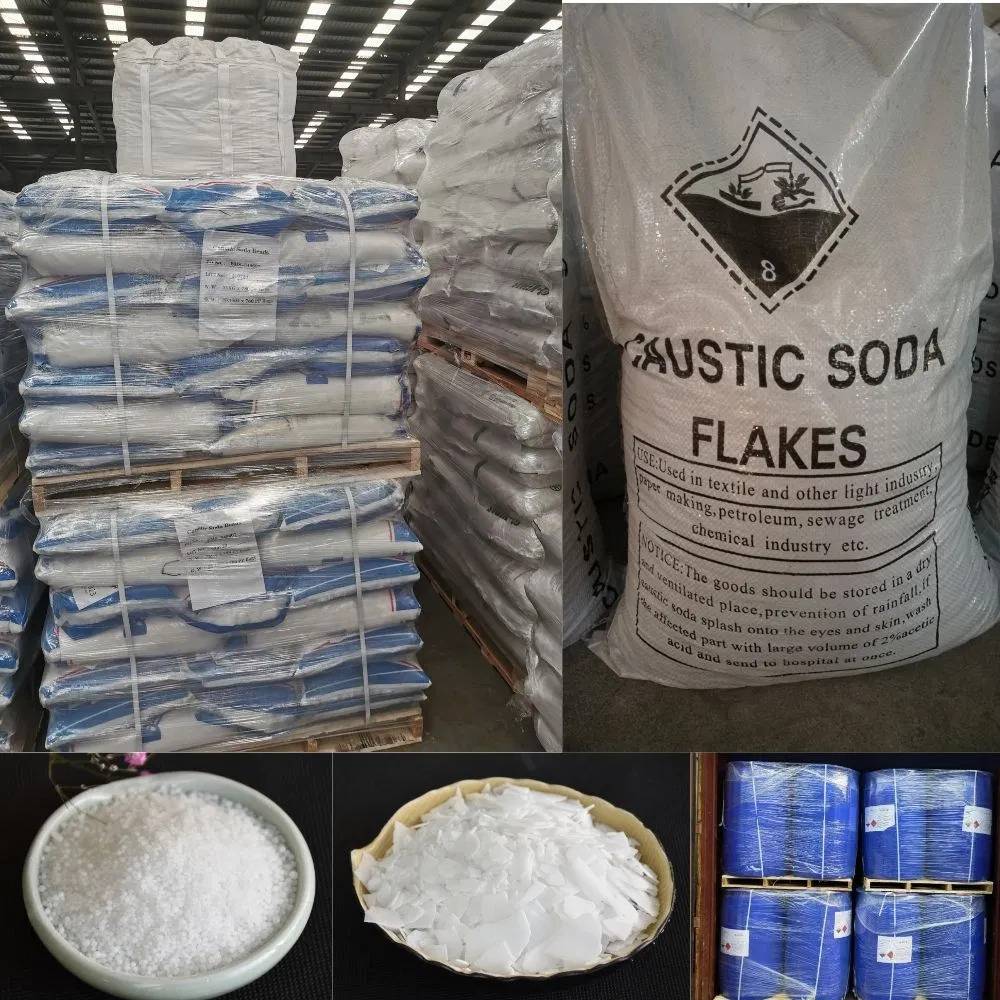
Securely packaged caustic soda pearls in 25kg bags, ready for industrial distribution.
Cost Implications: Beyond the Price Tag
When evaluating Caustic Soda Pearls vs Liquid Sodium Hydroxide, cost is a major factor, but it’s not as straightforward as comparing the price per ton. While liquid caustic might appear cheaper per ton of solution, remember you’re paying to transport water.
Pearls, being highly concentrated, have a lower shipping weight for the same amount of active NaOH. This can potentially reduce freight costs, especially for long-distance or international shipments. However, liquid caustic can offer cost savings in large-scale operations with existing infrastructure for bulk liquid storage and automated dosing, as it eliminates the need for dissolution equipment and labor.
It’s crucial to consider the total cost of ownership, including storage, handling, transportation, and any additional processing steps, to make an informed decision. For a comprehensive understanding of procurement, refer to our Buying Caustic Soda Guide.
Caustic Soda Pearls: Overview and How to Buy Caustic Soda Pearls
Applications Across Industries: Where Each Form Shines
Both forms of caustic soda find extensive use across a multitude of industries. Each leverages their unique properties for specific processes. From the application page, we know that caustic soda is vital in:
- Pulp and Paper:
Used in the pulping process to separate cellulose fibers and in bleaching.
- Textile Industry:
Employed in mercerization to improve the strength and dye uptake of cotton fabrics.
- Water Treatment:
Essential for pH adjustment, heavy metal precipitation, and neutralizing acidic waste streams.
- Chemical Manufacturing:
A fundamental reactant in the production of various chemicals, including detergents, soaps, and pharmaceuticals.
- Alumina Production:
Used in the Bayer process to extract alumina from bauxite ore.
The choice between pearls and liquid often depends on the specific process requirements, scale of operation, and existing infrastructure within these industries. For instance, smaller operations might prefer pearls for their ease of handling, while large continuous processes might opt for liquid for seamless integration into automated systems.
Sodium Hydroxide Solution vs Solid: Making the Right Choice for Your Operations
Deciding between Caustic Soda Pearls vs Liquid Sodium Hydroxide isn’t just about price; it’s about finding the best fit for your unique operational environment. Consider these crucial questions to guide your decision:
Scale of Operation
- Large-scale, continuous processes: These might benefit significantly from liquid caustic’s automated dosing capabilities, ensuring uninterrupted flow.
- Smaller or batch processes: Pearls often prove more manageable, offering flexibility and precise control for varied production runs.
Storage Capabilities
- Do you have specialized tanks and heating systems for liquid caustic?
- Or do you prefer the simplicity of bagged solid storage in a dry warehouse?
Safety Priorities
- While both are corrosive, pearls reduce splash risk, making them safer for manual handling.
- Liquid eliminates dust, which is a key advantage in certain environments. Your existing safety protocols and equipment will play a significant role here.
Purity Requirements
- If your process is highly sensitive to impurities, the 99% purity of pearls might be more advantageous.
- This high purity minimizes unwanted side reactions and ensures consistent product quality.
Supplier Proximity and Transportation
- How far is your supplier? Transportation costs for liquid caustic can be substantial due to its water content.
- Pearls, being more concentrated, are often more economical for longer distances, reducing overall logistics expenses.
Ultimately, the best choice aligns with your plant’s infrastructure, safety culture, and specific chemical process demands. A thorough evaluation of these factors will guide you toward the most efficient and cost-effective solution.
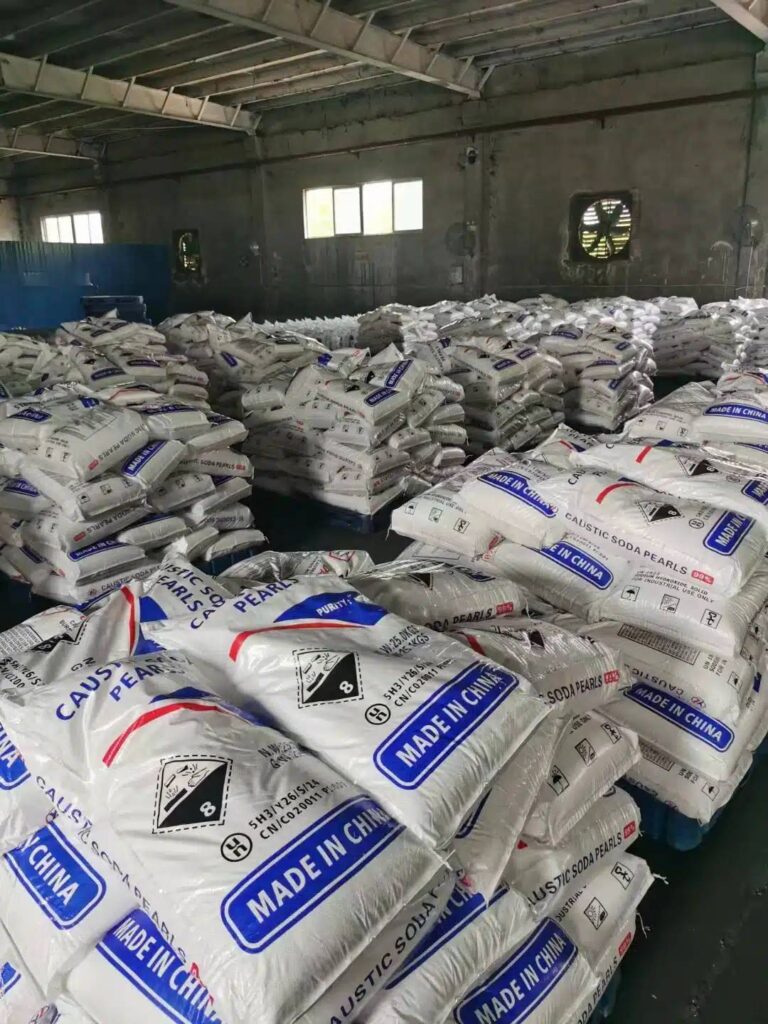
Bulk caustic soda pearls packaged in a jumbo bag, prepared for secure industrial shipment.
Request the latest COA, SDS, and bulk pricing for ≥99% caustic soda pearls for industrial chemical applications.
WhatsApp Us for Free a Consultation
How do I choose the right supplier for caustic soda?
Look for suppliers who provide verified specifications, adhere to international packaging standards, and offer comprehensive documentation (like COA and MSDS). A process-oriented supplier who understands your industry needs is invaluable.
Sodium Hydroxide Solution vs Solid: Common Buyer Questions (Answered Simply)
Are sodium hydroxide pearls safe for industrial manufacturing?
Yes, when handled correctly. Pearls offer better control and lower dust compared to flakes, contributing to a safer working environment. Proper PPE and adherence to safety guidelines are always essential.
Can I use lower purity NaOH for my processes?
It’s generally not recommended for most industrial applications. Impurities can interfere with chemical reactions, affect product quality, and lead to costly downtime or material waste. High purity, like 99% NaOH pearls, ensures consistent and predictable results.
What industries use NaOH pearls besides those mentioned?
Beyond pulp and paper, textiles, water treatment, chemical manufacturing, and alumina, NaOH pearls are also crucial in:
- Soap and detergent production
- Petroleum refining
- Various metallurgical processes
Conclusion: Your Decision, Your Success
Choosing between Caustic Soda Pearls vs Liquid Sodium Hydroxide is a strategic decision that impacts the heart of your industrial operations. It’s not merely about selecting a chemical; it’s about optimizing your processes, ensuring safety, and securing consistent product quality.
While liquid caustic offers convenience for large, automated systems, caustic soda pearls provide superior purity, easier handling for many applications, and often more cost-effective transportation for the active ingredient.Make the smart choice for your business today.
Manufacturers: Ready to Source Bulk Caustic Soda Pearls?
What makes our Caustic Soda Pearls Better:
✅ Compliant with EU, UN, ISO Standards – No Legal Headaches
✅ Guaranteed ≥99% Purity – Stability for your Processing Plant
✅ Extremely Low Impurities – Low Heavy Metals & Chloride
✅ Batch-Specific COA Provided – Full Transparency per Shipment.
Download Our EU-approved FREE COA & Specifications.[ Specifications Page]