


Industrial teams using caustic soda for cleaning heavy-duty surfaces
Industrial cleaning is not just about removing visible dirt. Instead, it’s about eliminating grease, oil buildup, organic residues, and stubborn contaminants that slow down production and damage equipment. That’s exactly where caustic soda for cleaning becomes a critical solution.
Used across factories, processing plants, and heavy-duty operations, caustic soda delivers deep, chemical-level cleaning that ordinary detergents simply cannot match. Let’s break down how it works, why industries rely on it, and how to use it safely and effectively.
Why Caustic Soda for Cleaning Is Widely Used in Industries
Caustic soda, also known as sodium hydroxide, is a highly alkaline compound. Because of this strong alkalinity, it reacts aggressively with oils, fats, and organic matter.
In simple terms, it doesn’t just clean surfaces—it breaks down contamination at the molecular level.
Industries prefer industrial sodium hydroxide because it:
- Dissolves grease and oil quickly
- Removes protein-based residues
- Cleans hard-to-reach internal surfaces
- Reduces manual scrubbing and downtime
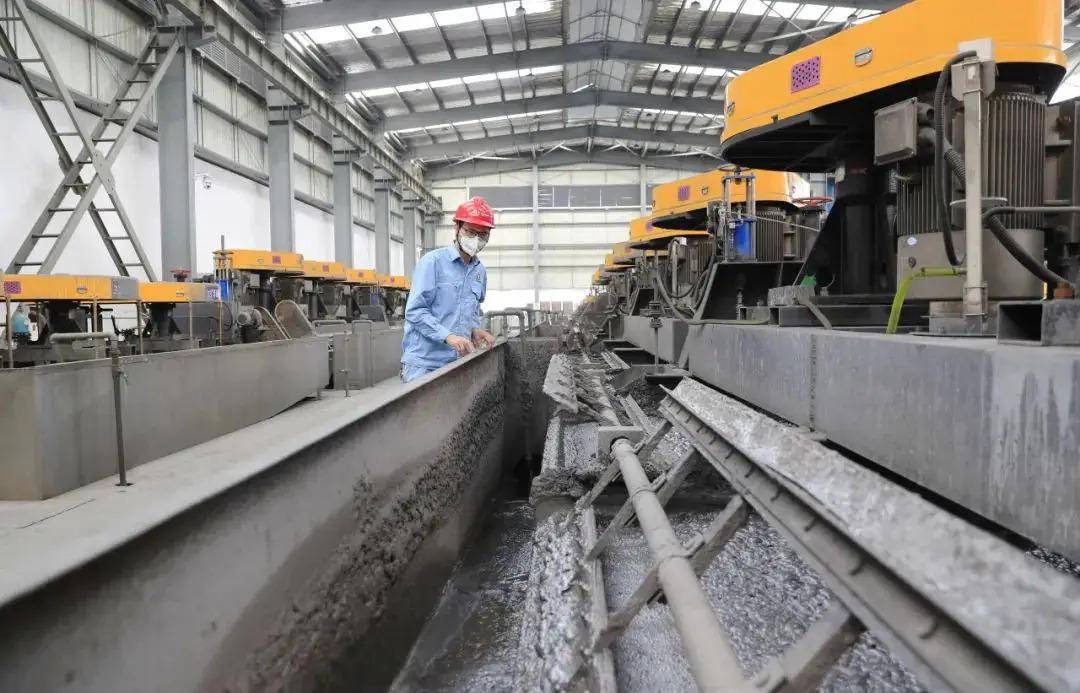
Industrial sodium hydroxide cleaning solutions remove grease and residue efficiently
For buyers sourcing bulk materials, understanding applications and chemical behavior matters more than marketing claims. That’s why industrial-grade products listed on trusted manufacturers like Camac Caustic Soda focus on purity, consistency, and safety compliance.
How Caustic Soda Works in Industrial Cleaning
When caustic soda is mixed with water, it creates a highly alkaline solution. This solution attacks organic compounds and converts fats into soap-like substances through a process called saponification.
That’s why it works so well in cleaning:
- Production tanks
- Pipelines
- Heat exchangers
- Processing machinery
In most industrial CIP systems, sodium hydroxide cleaning solutions are typically used at concentrations ranging from 0.5% to 5%, depending on soil load and equipment material
Unlike mild cleaners, alkaline NaOH cleaning solutions penetrate thick residue layers and loosens buildup that has accumulated over time.

Industrial equipment maintenance using caustic soda for cleaning
For industries using automated or CIP (Clean-in-Place) systems, this chemical is especially effective. Many such applications are detailed under industrial cleaning use cases on the applications page.
Industrial Applications of Caustic Soda for Cleaning
Its versatility makes sodium hydroxide-based cleaning systems essential across multiple industries.
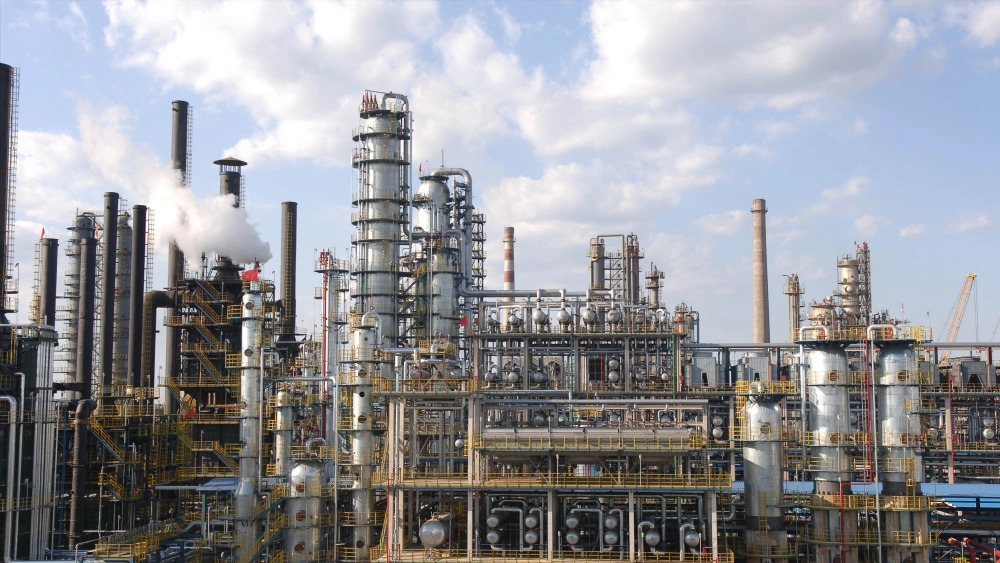
Our factory producing sodium hydroxide for industrial cleaning applications
Manufacturing Plants
Used to clean machinery, molds, and production lines clogged with oils and residues.
Food & Beverage Facilities
Helps remove fats, proteins, and organic waste while supporting hygienic cleaning standards.
Chemical & Processing Units
Used for reactor cleaning, tank washing, and pipeline flushing.
Refineries & Heavy Industry
Removes hydrocarbon deposits and stubborn industrial grease.
Because these operations require precision, most buyers prefer high-purity pearls, which are easier to do accurately. You can see detailed product quality benchmarks on the technical specifications page.
Technical Overview: Caustic Soda for Industrial Cleaning
| Parameter | Details for Industrial Cleaning Use |
| Chemical Name | Sodium Hydroxide |
| Common Term | Caustic Soda for Cleaning |
| Typical Purity | ≥ 99% (Industrial Grade) |
| Physical Form | Pearls |
| Solubility | Fully soluble in water |
| Cleaning Function | Degreasing and organic residue removal |
| Reaction Type | Alkaline hydrolysis |
| Application Method | CIP systems, soaking, circulation |
| Storage Condition | Dry, sealed, moisture-resistant packaging |
| Safety Requirement | PPE mandatory |
| Target Buyers | Factories, processors, manufacturers |
This table gives procurement teams a quick technical snapshot—no guesswork involved.
Why Pearls Are Preferred Over Other Forms
Not all caustic soda products perform the same. For cleaning operations, pearls are often preferred because:
- They dissolve evenly
- They allow controlled dosing
- They reduce waste
- They are safer to handle than flakes

High-purity sodium hydroxide for industrial cleaning surfaces and equipment
This consistency matters when cleaning large systems where overdosing can damage equipment. If you’re comparing forms, the caustic soda pearls vs flakes guide explains this difference in practical terms.
Safety Measures When Using Caustic Soda for Cleaning
Caustic soda is effective—but it must be handled responsibly.
For industrial buyers, safety protocols are non-negotiable.
Always ensure:
- Chemical-resistant gloves are worn
- Eye and face protection is mandatory
- Mixing is done slowly (add soda to water, not the reverse)
- Emergency wash stations are available

Caustic soda in labs: handle with care using gloves, goggles, and proper ventilation.
Proper training significantly reduces risk. Suppliers with proven compliance records often share real-world insights, like those highlighted in industry success stories.
Storage and Quality Standards for Industrial Buyers
Quality doesn’t end at production. Storage plays a major role in maintaining effectiveness.
Buyers should only source industrial-grade sodium hydroxide that comes in:
- Moisture-resistant packaging
- Factory-grade sealed bags or drums
- Clearly labeled containers with batch tracking
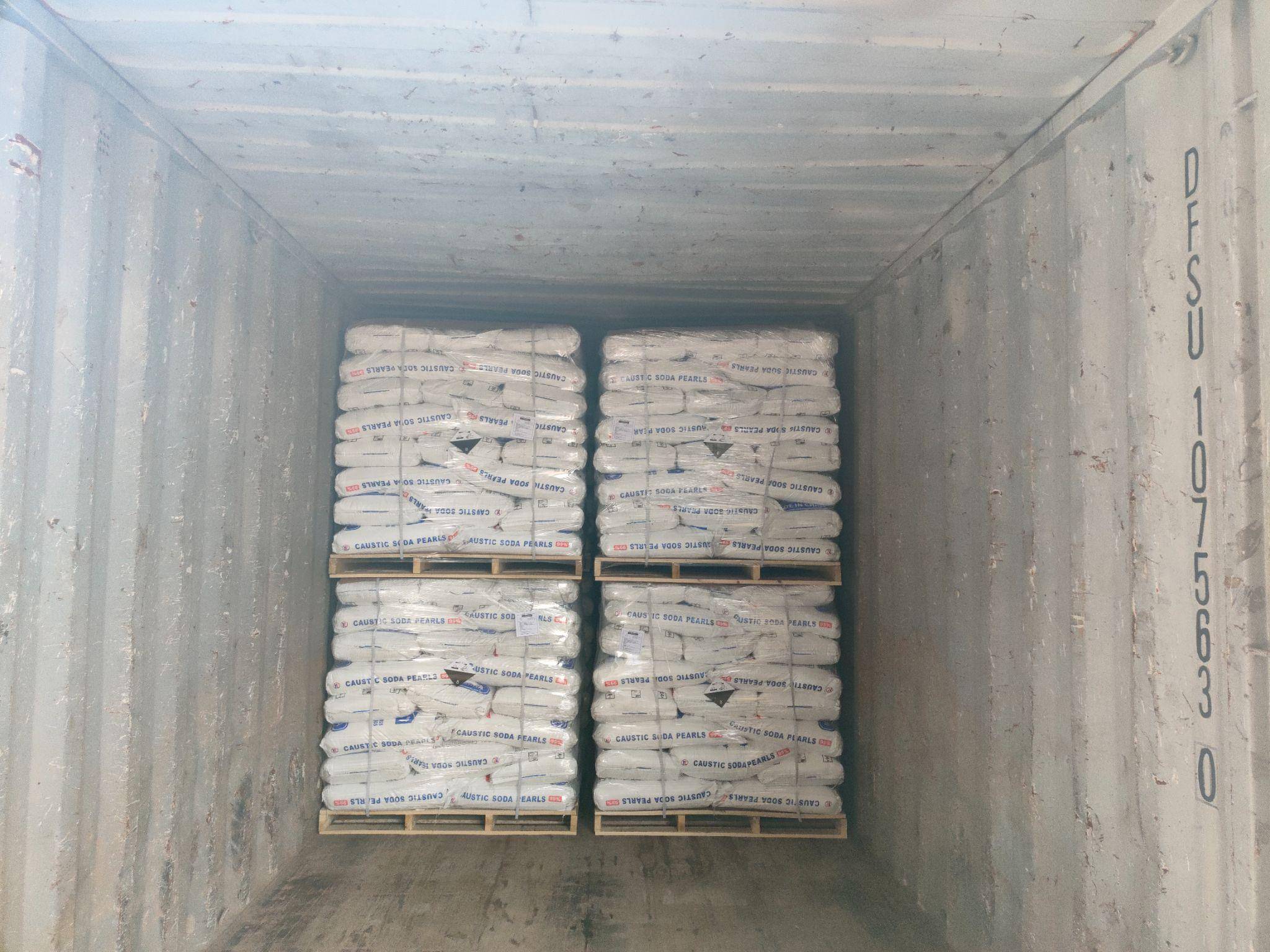
Bulk sodium hydroxide for industrial cleaning prepared for global shipment
Improper storage leads to clumping, reduced purity, and inconsistent performance—issues that directly impact cleaning efficiency.
Choosing the Right Supplier for Caustic Soda for Cleaning
For B2B buyers, supplier reliability matters as much as product quality.
Before placing bulk orders, check whether the supplier provides:
- Consistent purity levels
- Technical documentation
- Application guidance
- Responsive after-sales support

Reliable NaOH supplier for cleaning
If you’re evaluating suppliers or planning a bulk purchase, the bulk sodium hydroxide buying guide offers a practical checklist for procurement teams.
Learn how to select the right supplier here or contact us on WhatsApp
WhatsApp Us for Free a Consultation
Caustic Soda Pearls: Overview and How to Buy Caustic Soda Pearls (VIDEO)
Frequently Asked Questions About NaOH for Cleaning
Is caustic soda safe for stainless steel equipment?
Yes, when used at controlled concentrations and proper temperatures, sodium hydroxide is commonly used on stainless steel in CIP systems.
What form is best for industrial cleaning—pearls or flakes?
Pearls are preferred for cleaning because they dissolve evenly and allow precise dosing.
Can caustic soda damage equipment?
Improper concentration or prolonged exposure may damage certain metals or coatings. Always follow technical guidelines.
Is caustic soda suitable for automated cleaning systems?
Yes. It is widely used in automated CIP and circulation cleaning processes.
Final Thoughts: Is Caustic Soda Worth It?
If your operation deals with grease, organic buildup, or heavy contamination, caustic soda pearls for cleaning is not optional—it’s essential. It saves time, reduces manual labor, and delivers consistent results across large-scale cleaning operations.
The key is using the right grade, the right form, and the right supplier.
Manufacturers: Ready to Source Bulk Caustic Soda for Cleaning?
What makes our Caustic Soda Pearls Better:
✅ Compliant with EU, UN, ISO Standards – No Legal Headaches
✅ Guaranteed ≥99% Purity – Stability for your Processing Plant
✅ Extremely Low Impurities – Low Heavy Metals & Chloride
✅ Batch-Specific COA Provided – Full Transparency per Shipment.
Download Our EU-approved FREE COA & Specifications.[ Specifications Page]