

Buying caustic soda pearls isn’t like buying office supplies. This chemical sits at the heart of critical industrial processes—paper pulping, soap production, alumina refining, water treatment, and chemical synthesis. That’s why Caustic Soda Pearls Certifications are essential: one missing document or weak compliance check can quickly lead to shipment delays, safety risks, or costly regulatory penalties.

Site inspection verifies proper storage and handling of caustic soda pearls.
That’s why caustic soda pearls certifications are not optional. They are your first line of defense as a buyer.
In this guide, we break down the 10 certifications buyers should demand from caustic soda pearls suppliers, explain what each document actually protects you from, and show how smart procurement teams use certifications to reduce risk, not paperwork.
Why Caustic Soda Pearls Certifications Matter for Buyers
If you’re responsible for sourcing sodium hydroxide pearls, you already know the stakes. Caustic soda is corrosive, regulated, and tightly controlled in transport and storage. Certifications confirm that what you’re buying meets technical specifications, safety requirements, and international trade rules.
Most experienced buyers verify certifications alongside product specifications and match them to industrial applications before approving suppliers. That’s not bureaucracy—it’s risk management.
1. Certificate of Analysis (COA)
The COA confirms the chemical composition of the caustic soda pearls you’re buying.
It verifies:
- NaOH purity level
- Moisture content
- Insoluble matter
- Compliance with agreed specifications
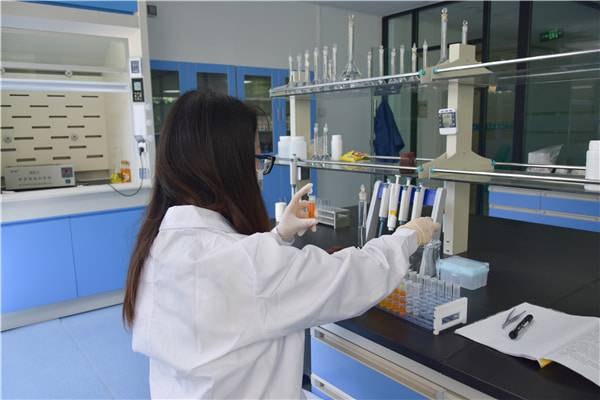
Lab analysis generates COA data for NaOH Pearls certifications.
Without a COA, you’re buying blind. Buyers typically cross-check COA values against published technical specifications to ensure consistency batch after batch.
2. Material Safety Data Sheet (MSDS)
The MSDS explains how caustic soda pearls behave, react, and should be handled.
It covers:
- Chemical hazards
- First-aid measures
- Storage requirements
- Spill and emergency response

Quality checks logged to support caustic soda pearls certifications.
For buyers supplying downstream users—like soap plants or water treatment facilities—an MSDS is essential for internal safety training and compliance audits.
3. REACH Compliance (EU Buyers)
If you sell or use caustic soda in Europe, REACH compliance is non-negotiable.
REACH confirms:
- Chemical registration within the EU
- Approved usage scenarios
- Environmental and human safety standards

REACH compliance proof for sodium hydroxide pearls certifications in Europe.
European buyers often review REACH documents alongside EU case studies to confirm supplier experience with regulated markets.
4. Third-Party Inspection (SGS / BV)
Independent inspection agencies like SGS or Bureau Veritas verify that shipments match contracts.
They inspect:
- Product quality
- Packaging condition
- Quantity and labeling
- Container sealing

Third-party inspection confirms sodium hydroxide pearls certifications match the order.
Buyers sourcing in bulk often pair inspections with guidance from a bulk sodium hydroxide buying guide to reduce disputes at destination ports.
5. Dangerous Goods Certificate (DG Certificate)
Caustic soda pearls are classified as dangerous goods.
A DG certificate confirms:
- Correct hazard classification
- Compliance with transport regulations
- Safe handling during shipping

“Certified” stamp showing checked caustic soda pearls certifications.
Without it, shipments can be detained or rejected by carriers.
6. UN / IMDG / IATA Hazmat Packaging Compliance
Packaging matters as much as the chemical itself.
This certification confirms compliance with:
- UN packaging standards
- IMDG (sea freight)
- IATA (air freight)

Warehouse visit shows ready stock for NaOH pearls certifications orders.
Buyers importing pearls for sensitive industries—like food-grade soap or paper manufacturing—rely on compliant packaging to prevent contamination.
7. GB/T 209-2018 (Chinese National Standard)
This standard defines the technical benchmark for sodium hydroxide produced in China.
It covers:
- Chemical purity
- Production consistency
- Testing methods

GB logo indicating GB/T compliance in caustic soda certifications.
Smart buyers sourcing from China always ask for GB/T compliance alongside the COA to confirm alignment with national manufacturing standards.
8. ISO 9001 – Quality Management System
ISO 9001 confirms the supplier follows a structured quality process.
It signals:
- Consistent production controls
- Documented quality checks
- Traceable batch management

ISO 9001 seal showing quality systems behind caustic soda certifications.
Buyers often review ISO certification together with supplier success stories to validate real-world performance.
9. ISO 14001 – Environmental Management System
Environmental compliance matters—especially for multinational buyers.
ISO 14001 shows that the supplier:
- Manages environmental impact
- Controls waste and emissions
- Follows sustainable manufacturing practices

ISO 14001 badge supporting NaOH certifications for ESG requirements.
This certification is increasingly required by global procurement teams and ESG audits.
10. Previous Certified Bill of Lading (Credibility Proof)
This isn’t a certificate—but it’s powerful proof.
A certified Bill of Lading from past shipments shows:
- Export history
- Real customers
- Proven logistics execution

Supplier documents are checked and signed to finalize sodium hydroxide pearls certifications.
Buyers use this to verify credibility before placing repeat or long-term orders.
Quick Comparison: What Each Certification Protects You From
| Certification | Buyer Risk Reduced |
| COA | Inconsistent purity |
| MSDS | Safety incidents |
| REACH | Regulatory penalties |
| SGS / BV | Shipment disputes |
| DG Certificate | Transport rejection |
| UN / IMDG / IATA | Packaging failures |
| GB/T 209-2018 | Sub-standard production |
| ISO 9001 | Quality inconsistency |
| ISO 14001 | Environmental non-compliance |
| Bill of Lading | Fake suppliers |
How Buyers Verify Certifications Effectively
Experienced procurement teams don’t just collect PDFs.
They:
- Match COA values to specification sheets
- Confirm certifications apply to the exact product grade
- Review supplier history through case studies
- Validate usage compatibility with industrial applications

Buyers confirm paperwork and specs during caustic soda pearls certifications review.
This layered verification approach saves time, money, and reputation.
Learn how to select the right supplier here or contact us on WhatsApp
WhatsApp Us for Free a Consultation
Frequently Asked Buyer Questions (People Also Ask)
Are all certifications required for every order?
No. Requirements vary by destination, industry, and transport mode.
Is ISO certification enough?
No. ISO covers systems, not product safety or shipment compliance.
Can a supplier fake certificates?
Yes—which is why third-party inspection and past Bills of Lading matter.
So, What’s the Real Takeaway for Buyers?
Certifications aren’t paperwork. They are commercial protection tools.
If a supplier can’t provide these caustic soda pearls certifications, they aren’t ready for serious industrial buyers. Period.
The right documents reduce risk, speed up customs clearance, and ensure your production never stops because of compliance issues.
Caustic Soda Pearls: Overview and How to Buy Caustic Soda Pearls
Manufacturers: Ready to Source Bulk Caustic Soda Pearls?
What makes our Caustic Soda Pearls Better:
✅ Compliant with EU, UN, ISO Standards – No Legal Headaches
✅ Guaranteed ≥99% Purity – Stability for your Processing Plant
✅ Extremely Low Impurities – Low Heavy Metals & Chloride
✅ Batch-Specific COA Provided – Full Transparency per Shipment.
Download Our EU-approved FREE COA & Specifications.[ Specifications Page]